How Fadinha 3D Studio Reduced Review Cycles by 67% with Connected Product Development
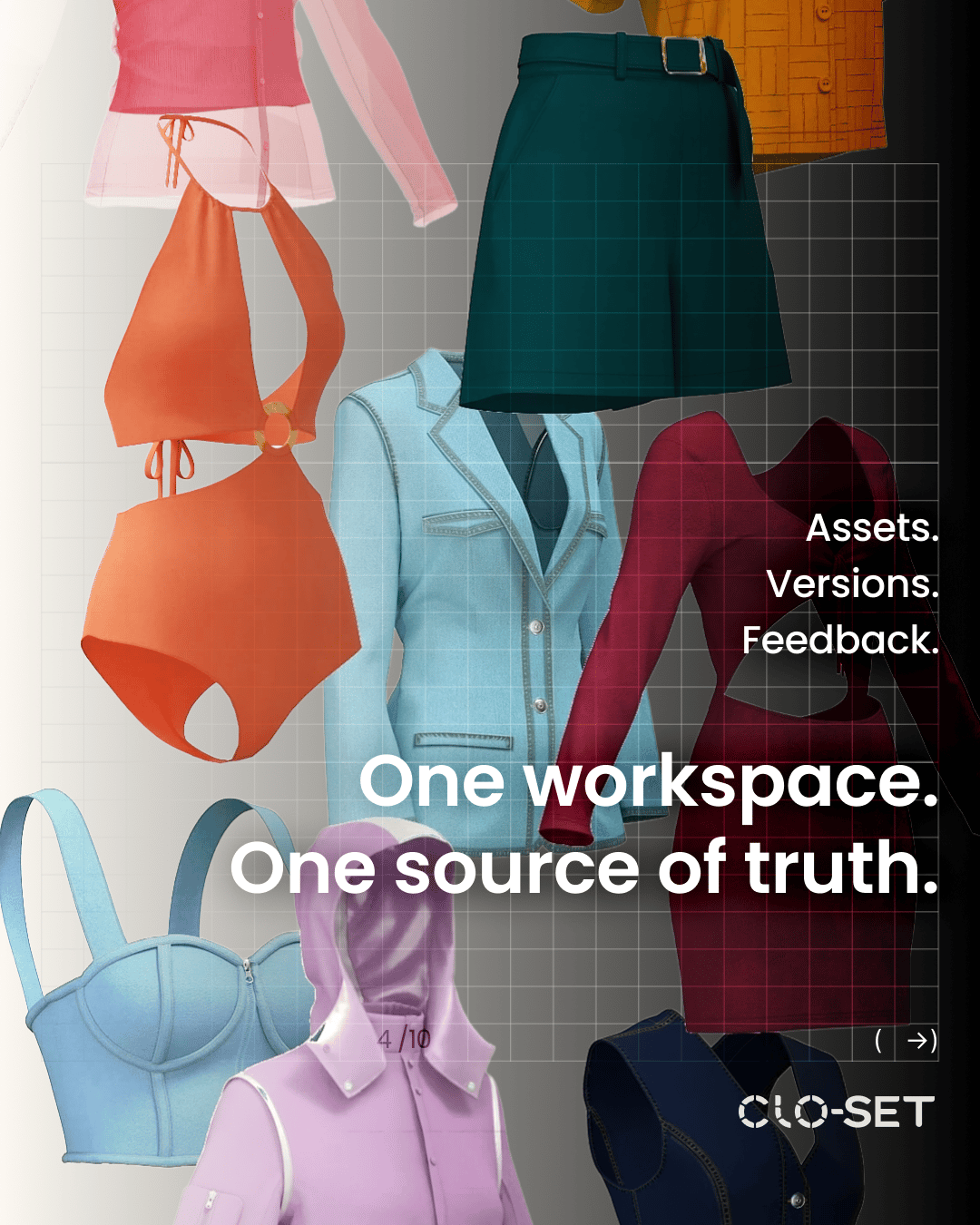
CLO-SET helps teams keep assets, versions, and feedback connected throughout product development.
In fashion product development, every style goes through multiple rounds of reviews, revisions, and approvals before reaching production. As styles, stakeholders, and review iterations multiply, teams need a single source of truth. Without connected product information, even small delays in locating the latest assets or understanding previous decisions can slow development, extend review cycles, and create unnecessary communication between teams.
Monica, Founder and Fashion Designer of Fadinha 3D Studio, ran into these challenges as her collections and client projects grew. Managing multiple styles meant coordinating renders, material references, client feedback, and design revisions across every stage of development. As more stakeholders joined, keeping everyone aligned with the latest product information became just as important as the design work itself.

Digital assets, material references, render images, technical information, and review comments accumulate throughout development. The information itself is rarely lost. What happens instead is fragmentation: it spreads across cloud storage, messaging platforms, email threads, screenshots, and local folders. As review cycles progress, reconstructing context takes manual effort, whether that means finding the latest version, revisiting previous feedback, or confirming approved assets. Teams end up spending their time reconnecting scattered information before a meaningful review can even begin.
To address this, Monica adopted CLO-SET as a centralized workspace for product development. Assets, version history, annotations, and review feedback stayed connected within the same product instead of being distributed across multiple tools.
Rather than creating separate files for every revision, version history preserved each iteration in a continuous timeline, so comparing changes and understanding how a style evolved became simple. Materials and references lived in shared libraries, and annotations stayed attached directly to the 3D garment, which gave every stakeholder complete context during reviews.
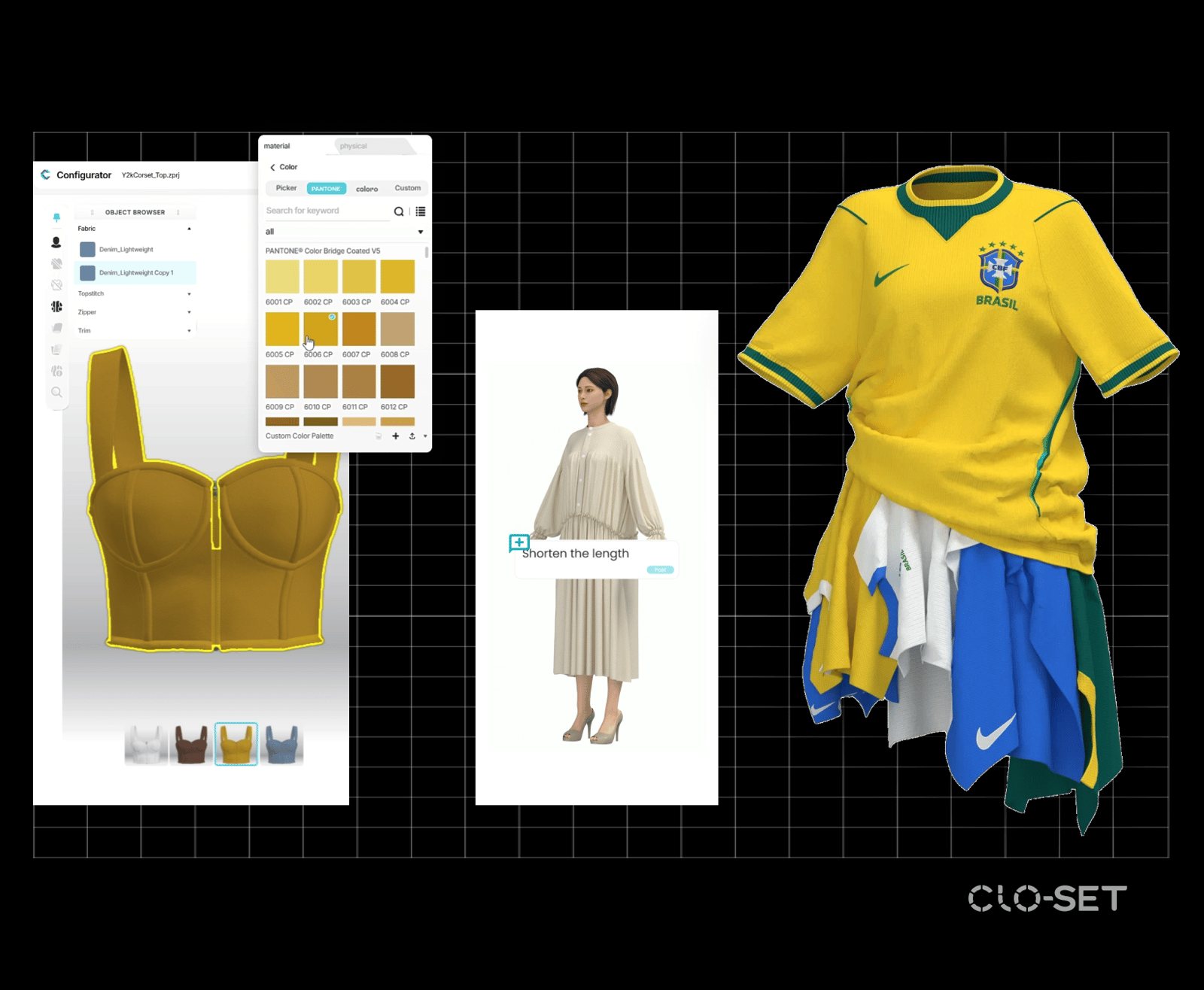
The impact went beyond file organization. Monica's team no longer had to search for assets repeatedly, verify which revision was latest, or reconstruct previous discussions, and the review process became noticeably more efficient.
Review cycles were reduced by approximately 67%, and product decisions moved up to three times faster. Instead of long clarification rounds between clients and internal teams, everyone worked from the same product information through concept development, sample reviews, and final approvals. With fewer interruptions and better visibility into product history, reviews got more productive and approvals moved forward with confidence.
From concept review to final approval, every stakeholder could access the latest product information in one place. Reviews ran faster, and collaboration stayed clear across the whole development process.
Sigue leyendo
Ver todoWhat 8 Years of 3D Adoption Actually Delivers: 50% Lower Sampling Costs and 80% Faster Strike-Offs
How much does 3D garment simulation actually save a fashion business? For Australian fashion group APG & Co — the company behind Saba, Sportscraft and Jag — the answer in FY25 was a 50% reduction in

How Murph Studio Made Client Reviews 40% Faster with Shareable 3D Product Reviews
CLO-SET helps studios turn client reviews from a back-and-forth of static images into a shared 3D experience. CLO-SET helps studios turn client reviews from a back-and-forth of static images into a
Top 5 3D Product Collaboration Tools for Fashion Brands (2026)
Ask a fashion team why they’re looking at 3D collaboration tools and the answer is rarely about 3D. It’s about the Tuesday a vendor built a sample from the version that got superseded on Monday, or th