How to Move an Approved 3D Sample Review into a Factory-Ready Tech Pack
Turn 3D review decisions into a factory-ready tech pack with revision control, measurable specs, tracked open items, and a clear quote or sample request.
The handoff starts with a clear decision record.
- Tie every review decision to the exact garment file and revision.
- Label each point approved, change required, or open, then assign the next action.
- Convert visual intent into measured specs, BOM references, construction notes, and test instructions.
- Send one current package that states whether the vendor should quote or make a named sample.
A 3D review becomes a useful factory handoff when the team translates visual decisions into instructions a supplier can measure, source, sew, inspect, and question. Start by recording which garment revision reviewers saw, then separate what the digital review resolved from the physical or technical checks still due.
The tech pack should give the vendor a defined next action, such as pricing this specification or making a first sample from it. CLO-SET can keep Web Tech Pack data close to digital sample review and content versions. Vendor-specific measurement targets, material selections, construction methods, acceptance criteria, and release decisions still need to be stated in the package.
1. Close the 3D review into a decision record
Before updating a tech pack, close the review against the exact garment revision and colorway under discussion. A review comment tied to an older garment version can remain useful as history, but it should not silently become an instruction for a later revision.
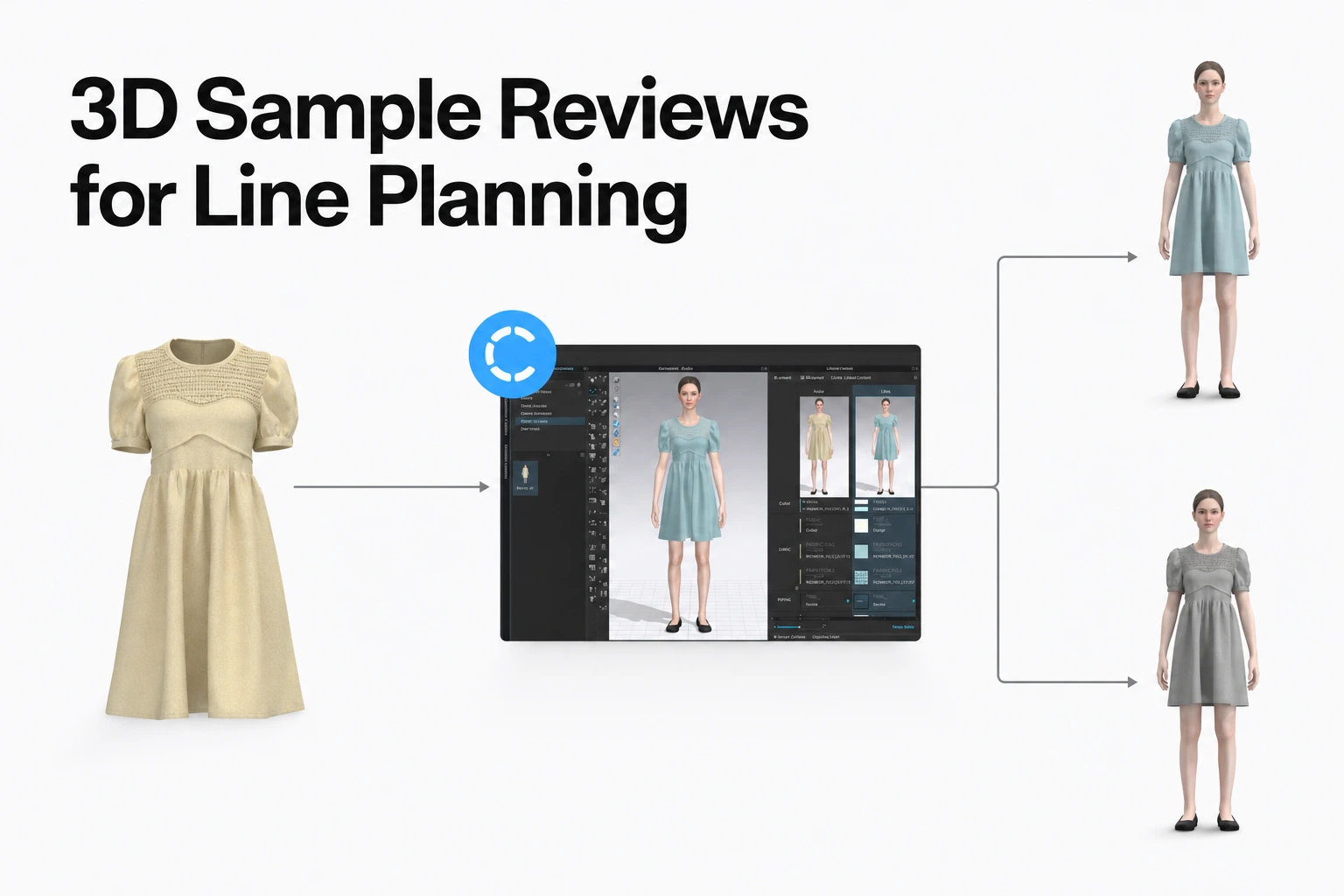
CLO-SET supports visual review through its 3D, 2D Pattern, and Render viewers, with annotations and comments used to keep feedback connected to the Content. Workflow and Status can communicate the development state across the team. Separately, 3D Quality Check can automatically check supported CLO file properties against criteria configured by the organization. These tools can contribute to the review and decision context, while the meaning and authority of a final approval should follow the organization’s defined approval process.
Create a short decision log for the style before handoff. Give each item a status and an owner, and keep the detail close to the relevant view, drawing, or tech-pack callout so the factory can find the instruction without reconstructing a discussion thread.
| Review item | Decision to record | If the point remains open |
|---|---|---|
| Silhouette and proportion | Identify the reviewed garment version and colorway, then state the approved shape or the specific change required. | Name the updated view or sample that must be reviewed next. |
| Fit and measurements | Record which size and measurement reference were reviewed, and whether the fit decision applies to a sample, a base size, or the size range. | Assign the measurement or fit check to a role, sample stage, and due event. |
| Fabric and color | Record the chosen material reference and color standard, plus the evidence reviewers used for the visual decision. | State whether the team needs a swatch, lab dip, physical sample, or a named color check. |
| Construction and finish | Identify the visible detail approved, such as the seam appearance or placement of a pocket. | Add the method, dimension, or inspection criterion that the factory must follow. |
| Artwork and trims | Tie the selected artwork or trim to its correct reference and location on the garment. | Name the file, placement proof, or physical trim review needed. |
This record prevents a visual comment from carrying more meaning than the reviewer intended. For example, “pocket approved” can refer to its position and visible shape in the reviewed view. If pocket opening, reinforcement, stitching, or a physical trim remains undecided, list that item separately with a named action.
Separate digital-review decisions from material or workmanship checks that need different evidence. If the hand of the fabric, production color, or a detail of sewing was not established by the review evidence, mark it open for the relevant swatch, test, or physical sample. A reviewer can approve the visible design direction while the package still requests a physical validation before a later release.
Use three practical statuses throughout the decision log: approved, change required, and open. “Approved” should identify the object and scope, such as a specific colorway and sample stage. “Change required” should describe the change in production terms and point to the revised reference. “Open” should say who will resolve the question and what evidence will close it.
For each open item, make the next decision answerable. Instead of “confirm fabric,” record the fabric reference, the evidence still needed, the responsible owner, and the stage by which it must be checked. This lets the vendor price or make a sample against known inputs while showing which assumptions still need approval.
2. Turn shape into measurement and construction instructions
A 3D view communicates shape and appearance; a factory specification communicates how to measure the physical garment and which dimensions to achieve. Put technical flats beside a measurement table, label each point of measure (POM), and define the size, method, target, grade, tolerance, and unit the vendor should use.
The Sino Finetex factory guide calls for style sketches or reference views and a measurement table with graded sizes and tolerances at each measurement point. Use that as a practical structure, then build the actual values from your approved fit block, product requirements, and supplier agreement. A render alone does not establish a measurement method or tolerance.
Set the base-size reference first. State whether the table describes finished garment measurements or body measurements, name the sample or approved fit reference, and identify the intended size range. Then give each POM a numbered label that matches the flat and provide a sentence or diagram showing exactly where and how to measure it.
The Urban Outfitters Measuring Guide illustrates why a named POM needs a location and method. Its jacket example locates bust measurement 2.5 cm below the underarm. That is one retailer’s jacket definition, not a universal instruction; use the method agreed for your own garment and vendor.
A complete measurement entry answers different questions that teams often compress into one number. The target gives the finished dimension, the grade states how it changes across sizes, the tolerance sets the accepted variation, and the method defines how the measurement is taken. Include the unit beside the table and keep the same unit in related construction callouts.
| Spec field | What to define for the vendor | Example of a clear instruction |
|---|---|---|
| POM ID and name | Match the number and plain-language name to the technical flat. | “POM 07, sleeve opening width,” with arrows on the sleeve flat. |
| Measurement method | State garment orientation, start and end points, and whether the garment is flat, relaxed, stretched, or fastened. | “Measure straight across the finished opening with the cuff laid flat,” if that matches the agreed method. |
| Base target | State the selected base size, finished-garment target, and unit. | “Base size [named size], target [approved value] cm.” |
| Grading | Give the size-by-size target or the signed grade increment from the base size. | “Use the attached approved size table for each listed size.” |
| Tolerance | State the acceptable range for that POM and indicate whether it applies to every size. | “Tolerance [approved value] cm per size.” |
| Reference | Link the sample, approved fit block, or version that established the target. | “Fit reference: style revision [ID], sample stage [name].” |
The examples in the table show what kind of information belongs in a spec, not values a factory should infer. Put actual targets, grade steps, and tolerances in the released file. A vendor should be able to compare a sewn sample with the same named POMs and measurement method used by the product team.
Technical flats should show front and back views plus details that affect assembly or measurement. Add a close-up or callout for features that a general silhouette view cannot identify, such as a pocket opening, collar edge, waistband finish, placket, or seam intersection. The Bloomsbury description of The Complete Guide to Size Specification and Technical Design describes technical flats with labeled measurement points and instructions, garment specification sheets, and grading for number and letter sizing. These are useful elements to align across the drawings and table.
Review the table against the complete range, not only the base size. Confirm that each size has a target or a defined grade rule, and that the tolerance applies as intended at the size endpoints as well as between them. A factory should be able to read the base, calculate or locate every graded target, and check a finished sample using the same method.
Add a construction note when a flat leaves a sewing choice open. Call out seam type, stitch type, seam allowance, stitch density, reinforcement, bonding, or taping when the design requires that detail. The KK Fashion Exports tech-pack guide lists these as construction details to specify where relevant. Let the product’s actual design and agreed factory method determine the instruction, rather than copying a generic stitch value.
3. Make every BOM line sourceable
A bill of materials (BOM) should let a supplier identify each physical component, associate it with the right garment location, and understand which selection is approved. List main and contrast fabrics, lining, trims, labels, decoration materials, and other components that affect the style or quote. Identify the colorway and size or placement scope when a material varies across either.
For fabric, record the selected reference and the attributes the supplier needs to source or confirm it. Depending on the product, that can include fiber composition, knit or weave construction, weight or GSM, finish, color code or swatch reference, width, and any specified test. The Runtang Textile first-sample guide recommends details such as composition, weight range, construction, finish, and required testing for main fabric. It also recommends identifying trims by material, size, color reference, and placement.
| BOM item | Identify it with | Connect it to |
|---|---|---|
| Main and contrast fabric | Approved article or mill reference, composition, construction, weight, finish, and color reference as applicable. | The panels or colorways where it is used, plus any test or swatch requirement. |
| Lining and support materials | Material reference and construction, color, finish, and weight where they affect the garment. | The specific garment areas, such as body, sleeve, pocket, or interfacing location. |
| Trim and hardware | Component type, reference or supplier code, dimensions, material, finish, color, and quantity or placement when defined. | A numbered callout on the flat and the colorway or size where it applies. |
| Labels and branding | Approved label artwork or copy reference, material, dimensions, color, and placement. | Label callout, attachment method, and market-specific content owner. |
| Packaging components | Required item, artwork or product reference, dimensions, and style or order scope. | Folding, packing, carton, or shipping instruction in the vendor package. |
Name an exact standard or supplier reference where it helps distinguish a selection. KK Fashion Exports gives Pantone/TCX or an equivalent as an example of a color reference in a BOM. Use the color system and physical approval method agreed by your team and factory, then keep that same identifier on the material line, colorway sheet, and any related artwork or sample request.
Write the substitution boundary as a production instruction. If the factory may propose an alternative, state which material attributes must match, what evidence the vendor should submit, and which role must approve the change before it enters the sample or production package. If the team requires the named reference only, state that the vendor should use that reference and route availability questions back to the owner.
This distinction matters for both quotation and sampling. A request that says “similar fabric” leaves the supplier to decide what similarity means. A request that names composition, construction, weight range, finish, color reference, required test, and the person who approves alternatives gives the sourcing conversation specific points to confirm.
AATCC test methods define a Purpose and Scope that identifies the property being evaluated and the materials or products to which the method applies. In the BOM or test schedule, similarly specify the component, property, method, sample condition, required result or decision rule, and report owner.
Different textile methods address different properties. The AATCC standards catalog lists methods for water repellency, fiber analysis, and colorfastness to crocking, perspiration, and light, among other topics. Select tests based on the garment’s end use, material, and destination-market requirements, then give the vendor the current method reference and acceptance criterion your team has agreed. A material category alone does not determine one universal test set.
For every proposed substitute, keep the approval sequence visible: vendor identifies a candidate, provides the requested data or physical evidence, the assigned product or material owner decides, and the approved BOM revision records the result. This makes the accepted option easy to distinguish from a supplier suggestion or an old material reference.
4. Specify work outside the model
The factory needs execution details for sewing, decoration, labels, packing, and inspection wherever those details affect the sample request. Place each instruction next to the related flat or material line, and identify the exact reference file when an image or artwork carries the instruction.
Construction callouts should answer how to assemble the garment, not just what the finished surface should look like. Where relevant, define seam and stitch types, seam allowance, stitch density, reinforcement, edge finish, bonding, and taping. The KK Fashion Exports guide identifies those fields and also recommends recording artwork files, placement coordinates, dimensions, and color breakdown for branding and decoration.
For a print or embroidery, attach the production artwork the supplier should use and tie it to a callout on the correct panel. State the placement point, finished width and height, orientation, color references, and process the vendor should quote or sample. A visual mockup can show intent; a named file and measurable placement tell the factory which artifact to execute.
Give labels and packaging their own checkable instructions. The Bryden Apparel manufacturer guide describes label content and placement, attachment method, swing-tag details, polybag dimensions, fold method, and special packing items as possible pack information. Specify only the choices needed for this style and order, then attach approved artwork or layout files with clear revision identifiers.
Care and fiber labels depend on the destination market and product. For textile products placed on the EU market, Regulation (EU) No 1007/2011 establishes rules for textile fiber names and the labeling and marking of fiber composition. For most textile and wool products covered by the US rules, the Federal Trade Commission’s textile labeling guide describes fiber content, country of origin, and business identity information. For covered U.S. textile apparel, the FTC Care Labeling Rule also requires manufacturers and importers to provide appropriate care instructions. These examples apply to their respective markets; identify the destination and have the responsible compliance owner supply the label content for the specific product.
Care symbols communicate care information to the end user. The International Organization for Standardization’s ISO 3758:2023 page describes a graphic-symbol system for textile care labels and says its symbols indicate the most severe treatments that will not cause irreversible damage during care. Use the standard and content approved for the destination and product, and place the authorized care instruction in the label artwork rather than asking the vendor to invent it.
Turn quality control into observed checks with stated criteria. Identify the garment features to inspect, the measurement points and tolerances to use, any material test reports required, and the sample or production stage when the check happens. If the result must meet a numeric limit, put the approved limit and method in the package; a test name alone does not say what result the product team will accept.
Treat vendor clarification as part of the instruction loop. Ask the supplier to flag a missing measurement, unavailable material, unclear callout, or process question before it proceeds on an assumption. Route the answer to the designated owner, update the controlled pack, and identify which revision the vendor should use. That gives both teams a repeatable response when a 3D review detail meets an unmodeled manufacturing choice.
5. Keep the pack and reviewed garment on the same revision
The garment file, Web Tech Pack, and vendor-facing exports should point to the same revision. If a change follows review, update the design source and associated technical information, create the current version, and recheck the pack before issuing it. A filename alone is not enough if its contents or connected BOM refer to an older state.
CLO-SET connects Web Tech Pack data with digital sample review and version management. Its documented Web Tech Pack sections include Overview, BOM, Measurement, and Construction. The CLO-SET Web Tech Pack help article describes Overview as a content summary, BOM by colorway and grading, Measurement with POM and target measurements, and Construction annotations for fabric, pattern, graphic, and other items.
CLO-SET supports several export paths for technical data, including Tech Pack exports in Excel or PDF and POM data in CSV. Use a format that carries the fields the vendor needs, inspect the exported file, and confirm that the supplier can open and work from it before treating it as the issue copy.
A reliable version check is a short comparison among three artifacts: the source garment revision, the Web Tech Pack version, and the package sent to the factory. Confirm that each has the same style ID, colorway scope, size range, revision label, and date or issue identifier. Then compare BOM materials, construction callouts, and measurement targets against the current decision log.
Use the change history to explain what changed between vendor issues. For example, say that a pocket opening measurement changed from one approved value to another, identify the size range and revision affected, and point the vendor to the revised callout. A change note helps the supplier locate the update; the controlled current pack remains the production reference.
6. Issue a vendor-ready request
A release package should state both what the vendor receives and what the vendor should do next. “Please review” leaves the work open. “Please quote this revision for the listed colorways and sizes,” or “Please make the named sample using the attached current BOM and measurement spec,” gives the vendor a specific response to prepare.
Before sending, check the package against the vendor’s stated file preferences and workflow. Put the selected editable or printable tech pack, technical flats, measurement chart, BOM, artwork, label files, packaging instructions, and any required test or material references in an organized release. Use the format and transfer method the supplier has confirmed for the work.
Use this release checklist once the files are assembled:
- Identity: Style name or ID, vendor or factory contact, issue date, revision identifier, and the current garment file or reference.
- Scope: Colorways, size range, quantity or quote scope when available, and the sample or production stage requested.
- Review status: Approved decisions, required changes, and open items with an owner and the evidence or milestone needed to close each one.
- Technical content: Flats and callouts, POM definitions, base targets, grading, tolerances, BOM references, construction methods, decoration placements, label instructions, and packaging requirements that apply to this style.
- Validation: Physical sample, swatch, lab dip, material test, artwork proof, or inspection checks the vendor should complete, with method and decision owner stated where applicable.
- Attachments: Current Web Tech Pack or export, source artwork and label files, specification sheets, and any reference images or standards named in the instructions.
- Requested response: Quote, sample, clarification, or revised offer; target response date if set; and the contact who receives questions.
- Revision control: A clear statement that the listed issue is the current vendor copy, plus the method for sending a corrected issue and identifying the superseded version.
Confirm the unresolved items before authorizing the next stage. A vendor can quote or make a sample from a package with open points when those points are explicit and the request explains whether to price an assumption, wait for confirmation, or submit a proposed option. Keep the pending decisions visible so no one mistakes a sample-stage request for a final production release.
Ask the supplier to acknowledge the exact revision and action requested. Capture questions and answers against that issue, then update and re-send the controlled package when the answer changes a spec. Keep the handoff record together with the versioned garment and technical data so the next review starts from the same artifact both teams used.
The release is ready for the next step when a vendor can identify the garment revision, read the measurable and sourceable specifications, find the references, distinguish approved decisions from open questions, and tell you what it will quote or sample. The next action is then a defined supplier response and a review of the resulting quote or physical sample against the same released criteria.
FAQ
Can a vendor quote while some review points are still open?
Yes, when the request names the open points and tells the vendor how to handle each one. Ask for a quote against the confirmed specification and list any price assumption, alternate proposal, or pending material decision separately for your team to resolve.
Can the factory take measurements from the 3D view?
Give the factory a labeled POM table with methods, targets, grades, tolerances, and units. The view helps communicate design intent, while the table makes a physical sample measurable against the agreed specification.
Does a comment or Workflow/Status update record final approval?
Comments, annotations, Workflow, and Status can help teams keep review context together and indicate where a style or colorway stands in the approval process. Whether a particular comment, Workflow, or Status value constitutes final approval depends on how each organization defines and manages its approval workflow.
Which Web Tech Pack export should I send?
CLO-SET supports Tech Pack exports in Excel/PDF and POM data in CSV. Send the available format that preserves the fields your vendor needs and matches its confirmed workflow.
What should happen when the factory proposes a substitute?
Route the proposed material and supporting evidence to the named material owner, decide against the stated acceptance criteria, then record the decision in the current BOM revision before the vendor uses it.
Explore CLO-SET features to see how Web Tech Pack data, review, and versioned garment content can sit together in your workflow.
Learn More
See how these criteria hold up on the real thing.
Source note
Technical and regulatory references in this guide are based on publicly available documentation reviewed in September 2026. Regulatory and standards references should be checked against the current requirements applicable to the product, market, and supplier.
Standards and regulatory sources reviewed:
- AATCC: official test method and standards documentation and AATCC standards catalog
- European Union: Regulation (EU) No 1007/2011
- U.S. Federal Trade Commission: Textile Labeling and Care Labeling guidance
- ISO: ISO 3758:2023 textile care labeling standard
Practical apparel and manufacturing references reviewed:
- Sino Finetex: official apparel tech-pack guidance
- Urban Outfitters: official garment measuring guide
- KK Fashion Exports: official tech-pack guidance
- Runtang Textile: official apparel tech-pack / first-sample guidance
- Bryden Apparel: official manufacturer tech-pack guidance
- Bloomsbury: official publication description for The Complete Guide to Size Specification and Technical Design
- CLO-SET: official Help Center and product documentation for Web Tech Pack, review, versioning, and export capabilities, Web Tech Pack introduction, and product features