Production Handoff Software for China Suppliers
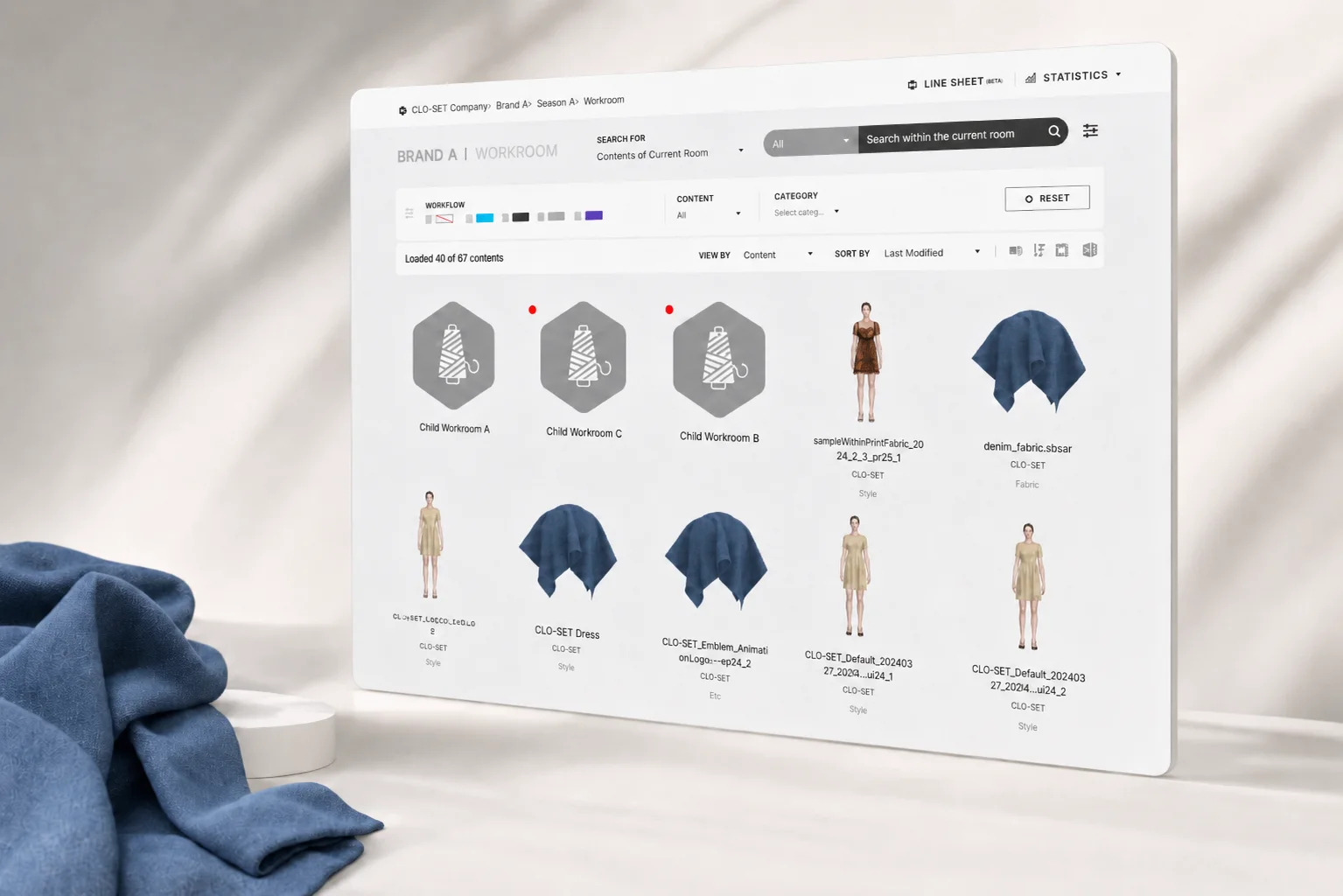
Production handoff software gives China suppliers one place for 3D samples, approvals, comments, and current review files.
Key takeaway
- Fashion production platforms can centralize product files such as sketches, specifications, and CAD assets, while specialized 3D collaboration tools can support feedback directly in the garment review context.
- Modern fashion production tools can provide shared style tracking that reduces reliance on manual spreadsheet-based handoffs.
- 3D collaboration platforms can help brands and vendors reduce reliance on repeated physical prototype rounds.
Production handoff software can help brand and China supplier teams stay aligned by centralizing sample reviews, approvals, and production-ready files.
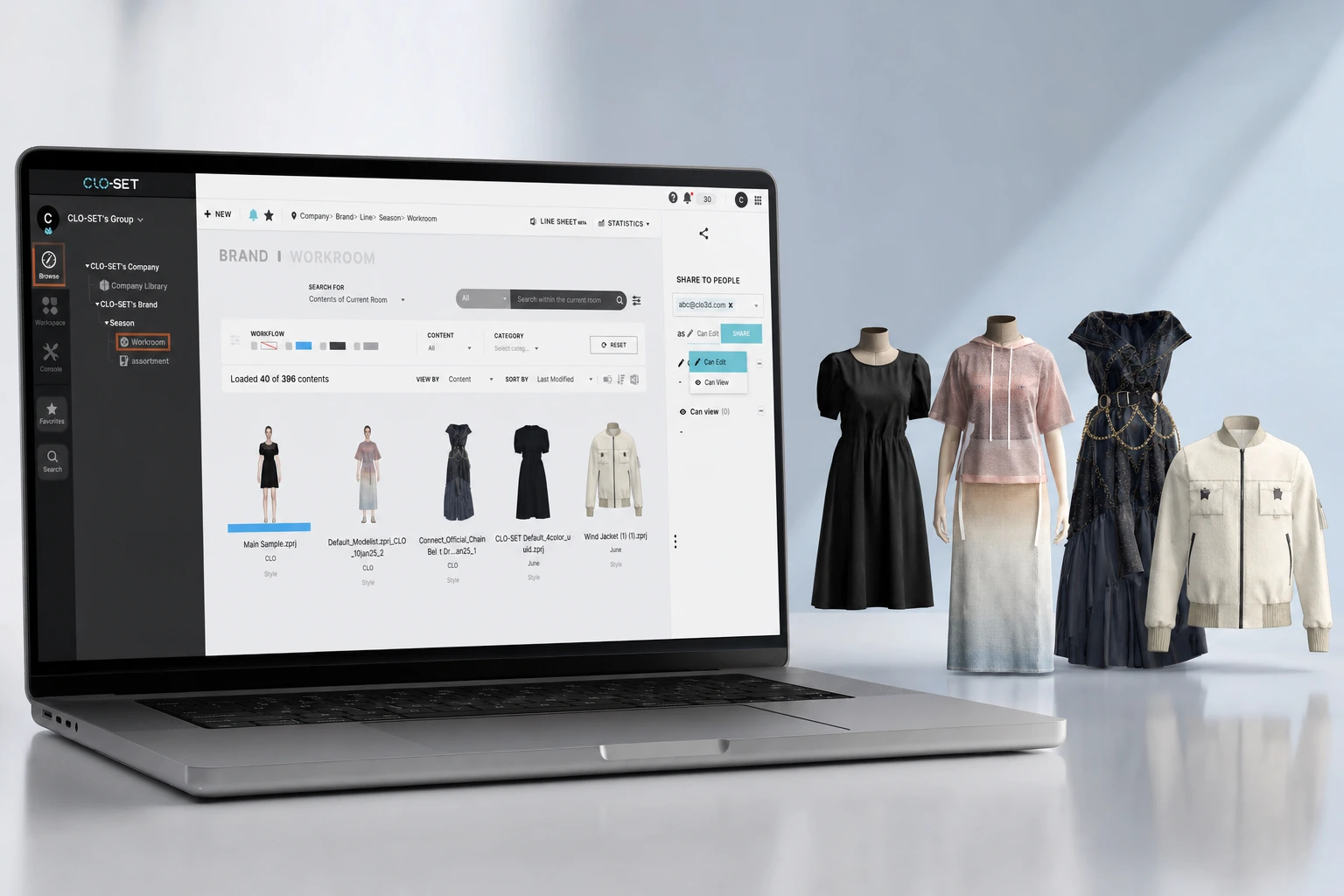
CLO-SET’s comments, versions and Workflow and Colorway Status can support a shared garment-review process. Define how the responsible people record a decision and identify the version it covers before handing files to a supplier.
Why is the market moving toward digital production handoff?
Digital handoff platforms can support centralized management of production assets such as sketches, specifications, and CAD files.
Supplier collaboration is an important part of production handoff. When a brand asks a factory to update a sample, the supplier may need access to the relevant asset, review context, and current specifications, not just a task notification.
Which tool type fits vendor approval tracking and supplier updates?
Vendor approval tracking is easier to manage when comments, 3D samples, specifications, and approval status are connected in one place.
Spreadsheets and email can record decisions, but review context may become separated from the garment or file being discussed. Generic project tools can help with task tracking, while specialized 3D collaboration platforms can keep feedback connected to the garment review itself.
| Evaluation point | Spreadsheets and email | Generic project tools | Centralized 3D collaboration workspace |
|---|---|---|---|
| Physical prototype impact | Coordinate records and decisions; confirm any linked viewer or integration | Coordinate work and test how garment review is connected | Review digital garments and measure whether the process reduces physical iterations |
Specialized 3D collaboration tools may be more suitable for apparel sample review when the main asset being reviewed is a 3D garment.
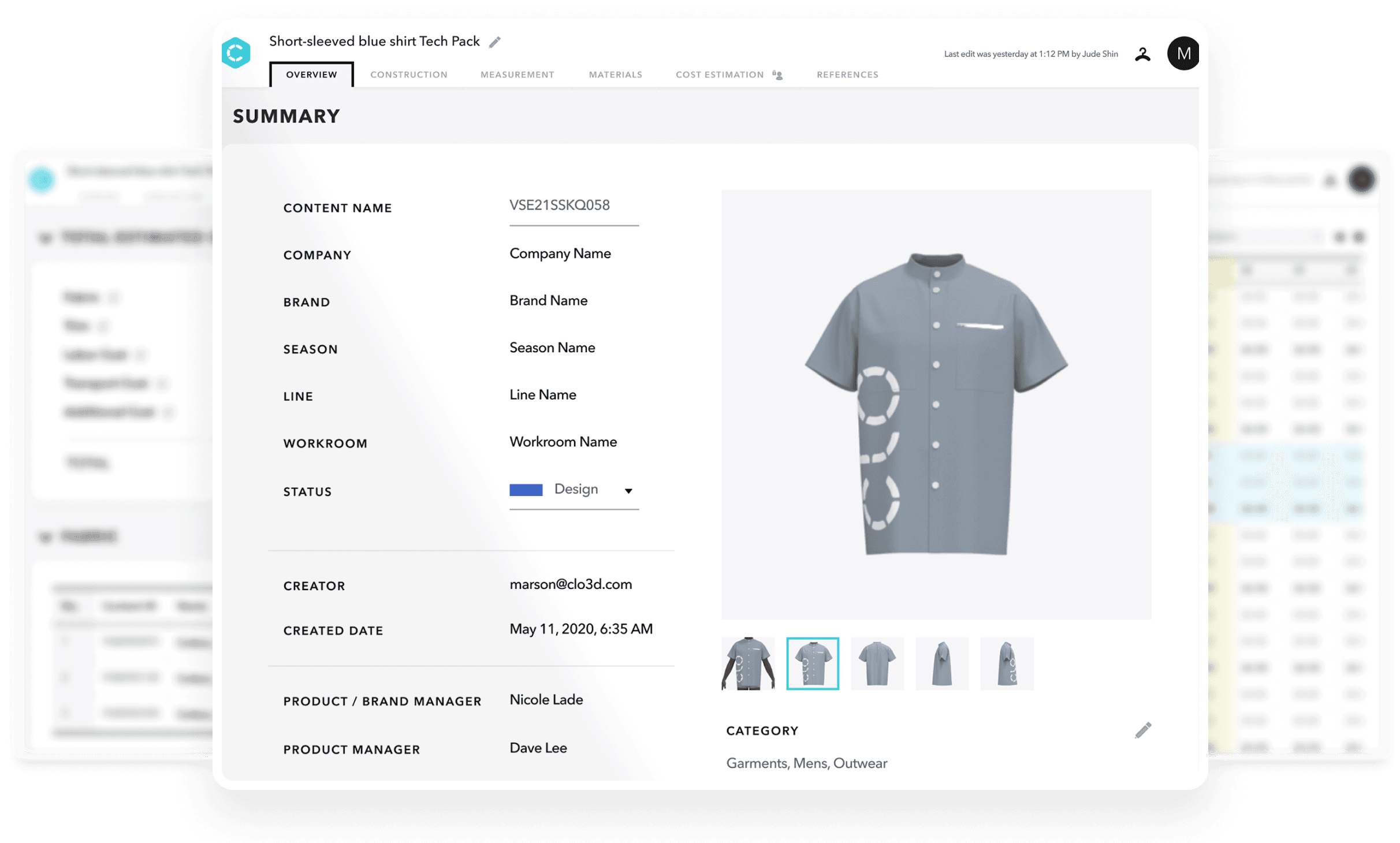
How do specialized platforms replace manual workflows?
Spreadsheet-based handoffs can become difficult to manage when updates are spread across multiple files and channels. A supplier may receive a PDF tech pack, a follow-up spreadsheet, a revised screenshot, and an email with an additional correction. Even when each update is accurate, it can become unclear which version should be treated as the current reference.
This can leave suppliers spending more time reconciling disconnected updates before they can act.
For vendor teams, potential workflow improvements can include :
- Less need for status meetings to confirm which sample version is current
- Less duplication when comments are copied from email into internal trackers
- Lower risk of a supplier working from an outdated PDF export
- Clearer handoff between sample review, revision, approval, and production readiness
- Better continuity when merchandisers, technical designers, factories, and brand reviewers work across time zones
More fashion software platforms are being designed around shared data and connected digital workflows.
How does 3D collaboration speed brand-to-vendor sample reviews?
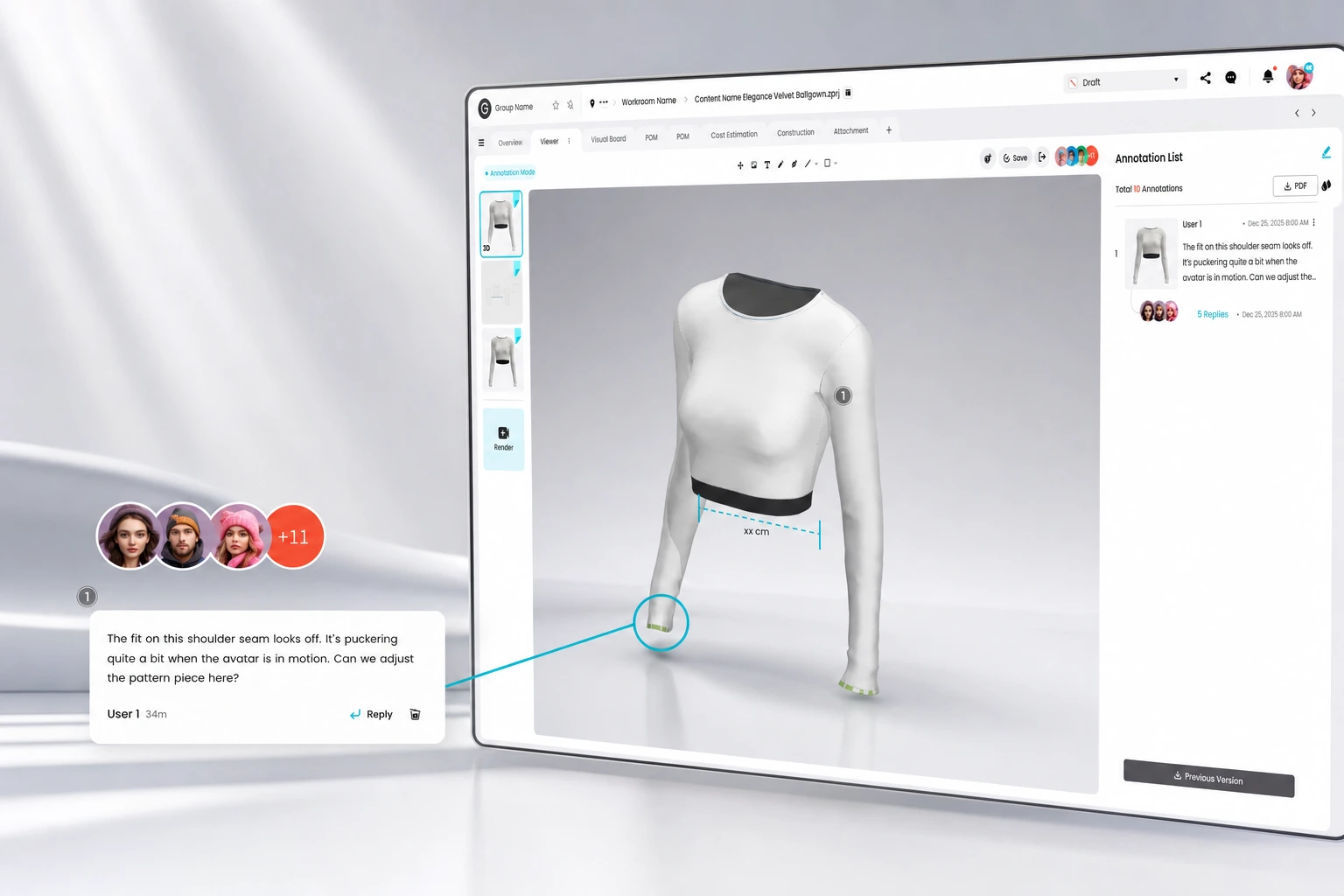
3D collaboration lets reviewers leave feedback directly on the garment model, helping vendors understand which digital sample and review context the brand is referring to.
One advantage of 3D sample feedback is that review comments can stay connected to the garment instead of being described only in text. A brand reviewer can comment on areas such as a sleeve, seam, pocket placement, fabric behavior, or silhouette with the visual reference attached. This can help the vendor understand the requested change with more context.
CLO-SET’s comment manual describes annotations attached to a garment viewpoint. Use a representative review to test whether that context helps the supplier understand and resolve a requested change.
Clear review context may help teams resolve some questions without another physical sample. Track the resulting digital and physical iterations; the effect depends on the garment, team and decisions under review.
CLO-SET is relevant at this stage for teams that need browser-based 3D sample feedback, centralized asset review, and vendor communication around the same garment file. It can also support external suppliers by keeping design intent and review context connected before the next physical sample is produced.
What should the handoff workflow look like for manufacturer teams?
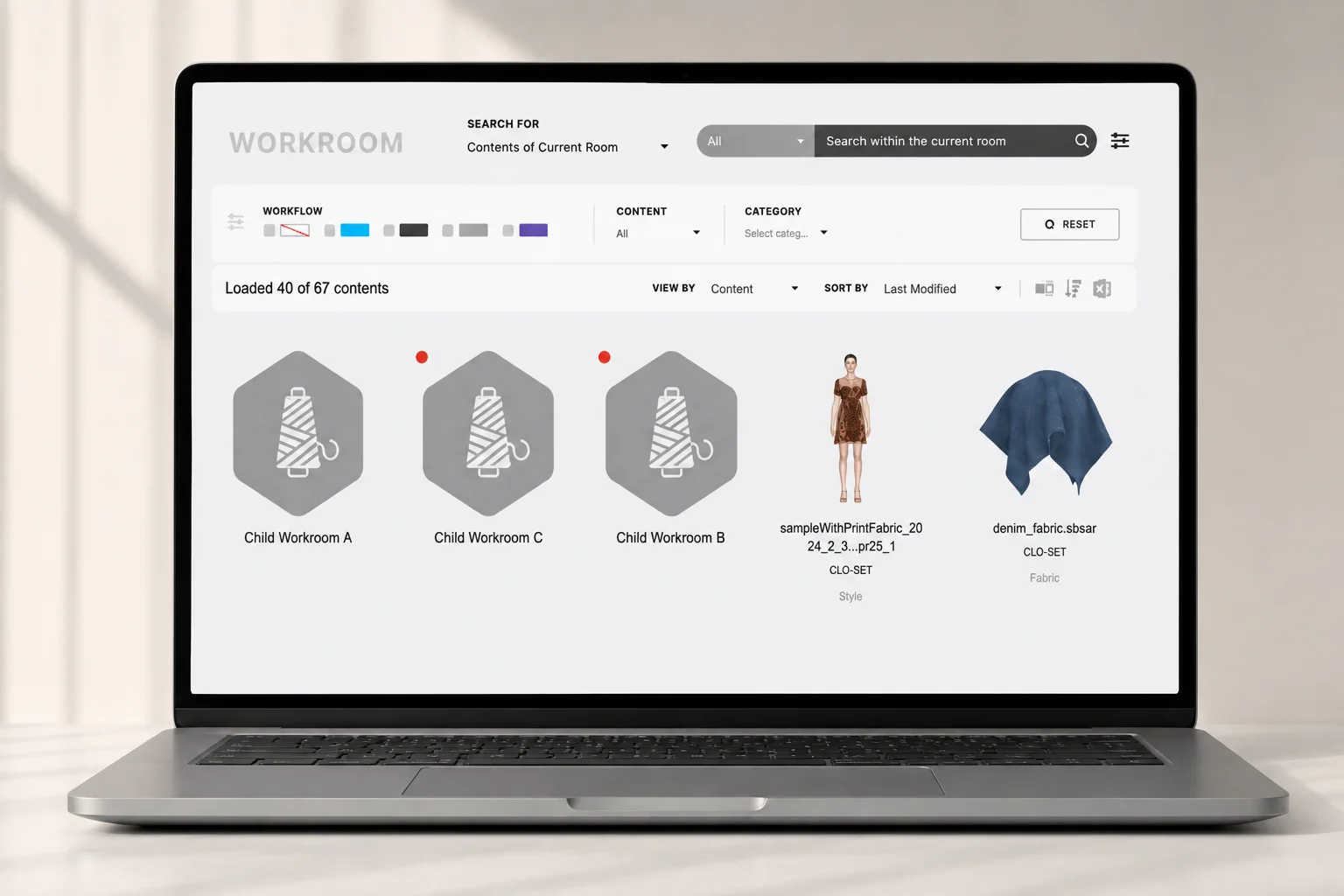
A manufacturer handoff workflow can move from shared asset upload to 3D review, revision, approval, and preparation of production-ready files.
The workflow should be simple enough for suppliers to follow and structured enough for brands to track. A clear process can reduce cases where a style is marked as approved in one place while a supplier is still working from an older attachment.
- Upload the digital sample and related files to the shared workspace. The vendor or brand team adds the 3D asset, specifications, and reference files in one style location.
- Review the 3D sample in context. Brand reviewers inspect the garment and leave comments on the model or attached review file instead of sending separate screenshots.
- Assign revision ownership. The supplier confirms which comments require model changes, material updates, construction updates, or measurement clarification.
- Revise the digital sample. The manufacturer updates the style record so the next reviewer sees the current version rather than a disconnected file export.
- Capture approval checkpoints. The brand records approval against the current style version, reducing ambiguity about which sample is ready for production.
- Prepare production-ready files. The team uses the approved asset and supporting documentation as the source for factory execution.
This workflow helps manufacturer teams send brand-to-vendor sample review updates without turning every comment into a separate email or spreadsheet row. The value is discipline: one style, one current review state, and one place to check before production decisions move forward.
How do solution costs and major players compare in China supplier workflows?
China supplier workflow software ranges from low-cost trackers to apparel PLM systems and specialized 3D collaboration platforms.
Cost should be evaluated against the type of work the system is expected to carry. A spreadsheet may cost little in license fees, but it is not designed for interactive 3D garment review or apparel-specific review context. A general project tool can improve task ownership, while garment assets and specifications may still need to be managed in separate systems.
Compare quotes for the actual number of users, supplier access, implementation, and integrations your team needs. Some teams need full PLM functions; others need tools that connect 3D sample review with production handoff. A directory’s starting price does not establish the cost of your deployment.
CLO-SET is designed to keep 3D assets, supplier comments, approval status, and related production files connected within the same garment workspace. For brands working with China suppliers, this can help reduce the risk of teams relying on outdated files while keeping sample feedback and current review context together. Rather than replacing a full PLM system, CLO-SET can serve as a 3D collaboration layer alongside existing PLM workflows.
FAQS
Frequently asked questions
Can Figma, Miro, Jira, Notion, or Zeplin replace 3D apparel handoff software?
Evaluate the functions you need in the tools your team already uses: garment viewing, file versions, comments, decision records and supplier access. Compare a representative handoff in those tools with the proposed 3D workspace. Measure clarity, effort and sample rounds instead of assuming a category-wide advantage.
What is the main benefit for China vendor teams?
A key benefit is having one current source for supplier updates, approvals, and review files. Instead of reconciling emails, PDFs, and spreadsheet status columns, vendor teams can check the shared style record before revising a sample or preparing production files.
How does 3D sample feedback reduce production confusion?
3D sample feedback can reduce confusion by keeping comments connected to the garment review context rather than separating them into screenshots or message threads. This can help brands and suppliers confirm which visual issue, version, and approval state they are discussing.
Does production handoff software replace PLM or ERP systems?
Production handoff software does not automatically replace PLM or ERP systems. It can serve as a collaboration layer alongside existing PLM or ERP workflows, supporting sample review, vendor comments, approval checkpoints, and current production files around 3D garment assets.